
Just a heads-up: this page may contain affiliate links. If you buy through them, we may earn a small commission at no extra cost to you. Learn more.
Choosing the perfect daypack for beginners is more than picking a color. It’s about fit, size and how it supports you on real trails.
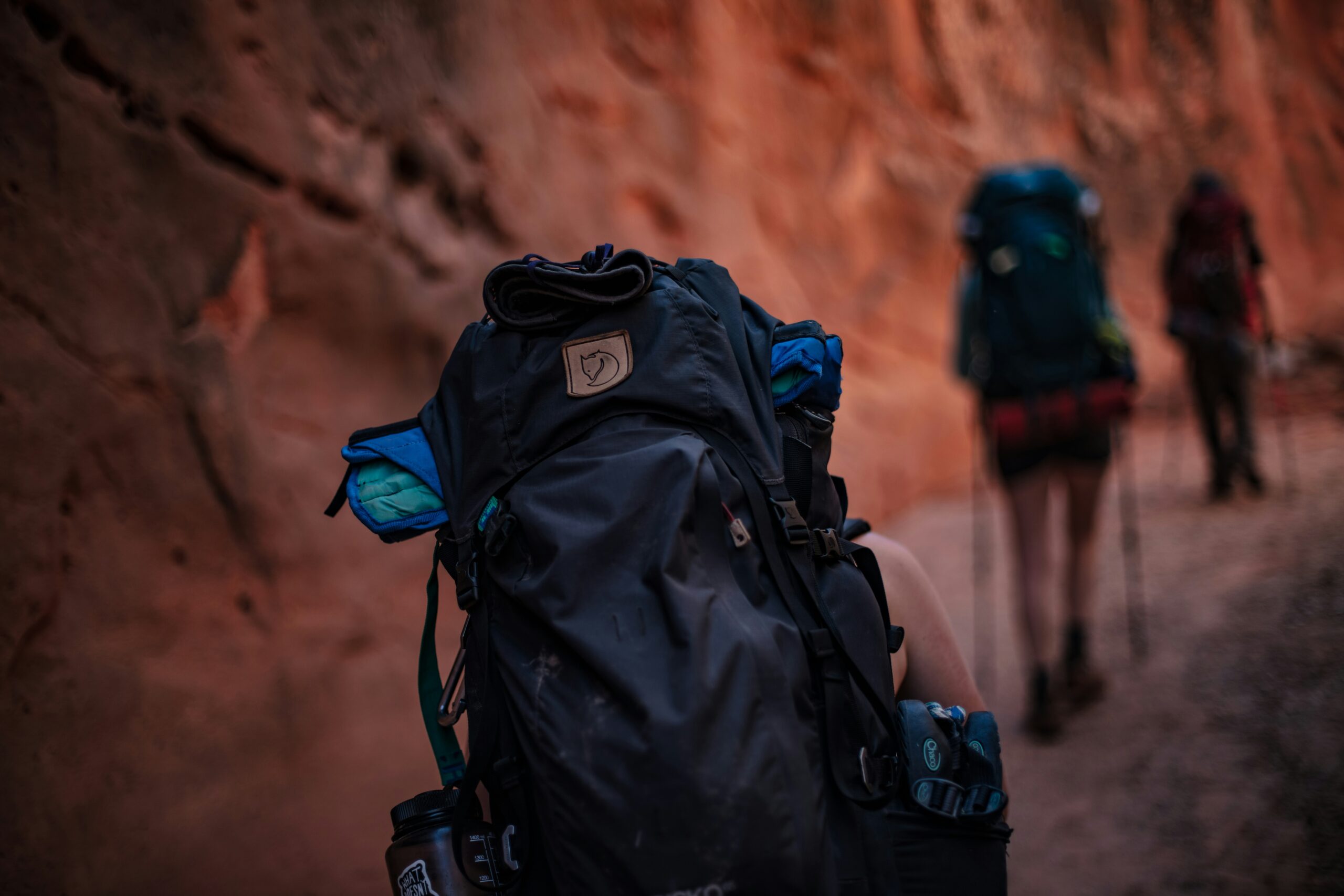
Your daypack is more than just a bag. For beginner hikers, it’s your mobile basecamp. The thing that carries your water, snacks, safety gear and sense of preparedness. Choose the wrong one and even a short hike can feel miserable. Choose the right one and you’ll feel lighter, safer and more confident from the first step.
Here’s how to find the perfect daypack for beginners, with zero fluff and all the practical advice.
🏠 Start with Fit: Torso and Hip Measurements
Most beginners make the mistake of picking a backpack based on volume or brand. But fit is the most important factor.
Here’s what to look for:
- Torso length match (measure from your C7 vertebra to the top of your hips)
- Adjustable straps for a snug, bounce-free fit
- Padded hip belt that supports the load on your hips, not your shoulders
A well-fitted daypack reduces strain and lets you move naturally, even on uneven terrain.
🏦 Capacity Counts: Choose the Right Size
For beginner-friendly hikes—2 to 8 miles—a pack with 15 to 30 liters of capacity is perfect.
Stick to this range unless you’re planning overnight hikes. Within that:
- 15–20L is enough for ultralight hikers or short trails with minimal gear
- 20–30L gives space for layering pieces, extra water, food, and emergency items
Avoid overpacking. Carrying too much slows you down and wears you out.
☕ Hydration-Ready Is a Must
Water matters. Look for:
- Hydration reservoir sleeve (fits most 1.5–3L water bladders)
- Tube ports and clips for easy sips while moving
- Stretch side pockets for water bottles if you prefer them over bladders
If your pack doesn’t support hydration easily, it’s not ideal for the trail.
🛍️ Pockets, Panels, and Pack Access
Organization is underrated. A good beginner daypack offers easy access without requiring a full unpack.
Look for:
- Top or panel-loading zippers for main compartments
- Small top pocket for keys, snacks, sunscreen
- Stretch front stuff pocket for quick stash (great for wet layers)
- Hip belt pockets for energy bars or lip balm
Some brands also offer rain cover compartments—bonus points if it’s included.
🔒 Comfort Features That Make a Big Difference
You’ll be wearing your pack for hours. Make it count.
Must-haves:
- Ventilated back panel (mesh or cutout foam for airflow)
- Compression straps to stabilize your load
- Sternum strap for better posture and pack control
Don’t overlook these. They’re the difference between a tolerable and a terrific hike.
🤝 Recommended Beginner Daypacks
While fit and function come first, certain brands consistently earn high marks from real hikers:
- Osprey Daylite Plus – lightweight, great structure, hydration sleeve
- Deuter Speed Lite – athletic fit, comfy back panel for women
- Gregory Nano 20 – excellent shoulder padding, well-balanced
Try before you buy if possible. And return it if it doesn’t feel right.
❗ Final Tip: Less Is More
The perfect daypack for beginners isn’t the one with the most features. It’s the one that fits you, holds your gear, and disappears on your back when you’re out there enjoying the trail.
Start simple. Upgrade only when your hikes demand it. And never underestimate the joy of a pack that does its job so well you forget it’s even there.
🎒 The right daypack keeps your hike light, organized, and comfortable all day. Click Here to explore our favorite picks.